Reading Combination Skin: What AI Sees That Labels Miss
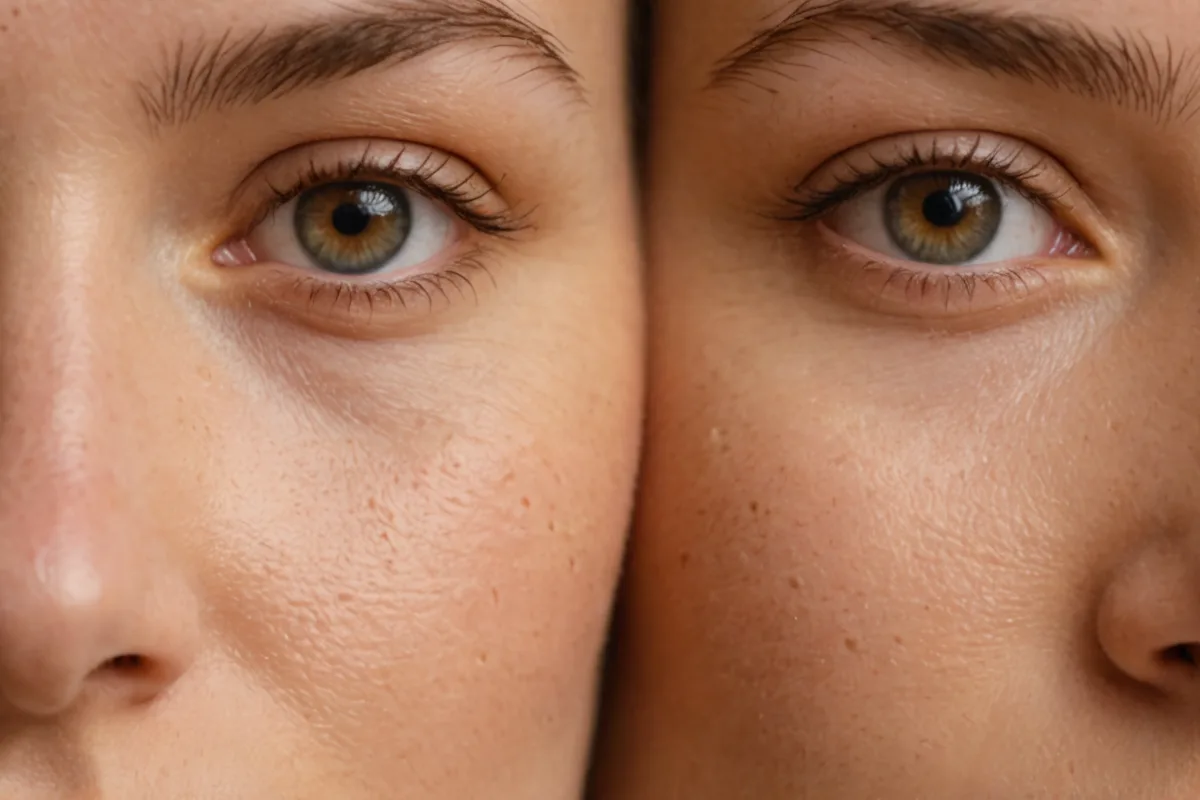
Combination skin is one of the most misused labels in skincare. A closer look at what the pattern actually means in pixel data versus what it means on a product label.
The Cutib Blog
Our team writes about skin biology, AI research, ingredient formulation, and what personalization actually means in practice.
The idea of a universal serum is useful marketing but poor skin science. The same active ingredient formula behaves differently depending on barrier condition, hydration level, and underlying skin texture.
Combination skin is one of the most misused labels in skincare. A closer look at what the pattern actually means in pixel data versus what it means on a product label.

Sensitivity is not a skin type but a condition that changes the way certain actives perform. These five ingredients need a different lens when the barrier is compromised.
The economics of product returns hit indie and DTC brands disproportionately hard. The root cause is almost always the same: a recommendation mismatch that could have been prevented.
Most personalization in beauty happens after the sale: subscription boxes, loyalty tiers, post-purchase surveys. The bigger opportunity is at the point of decision, not after.
Texture is one of the most information-dense signals in a skin reading. It changes with hydration, barrier health, and active ingredient use in ways that skin type buckets cannot capture.
A look inside the architecture decisions we made when building a production computer vision pipeline for consumer-grade skin photography. What we got right and what we had to rebuild.
Oily skin and dehydrated skin can look similar in a photo. They require opposite treatments. Understanding the difference is one of the most important things a skincare recommendation can get right.
Fragrance sensitivity shows up as redness, tingling, or a stinging sensation that many people attribute to the wrong ingredient. Understanding how fragrance compounds work in formulations helps identify the actual trigger.
How much does lighting actually affect AI skin reading results? We ran controlled tests across different photo conditions to understand which variables matter most.
Skin tone and skin type are two separate dimensions. Recommendations built on one often mistakenly bundle the other. This conflation has real consequences for how people choose products.
Quiz-based personalization has a structural problem: it asks people to describe their own skin, and most people are not accurate observers of what is happening at the surface level.
Start Now
Take your first AI skin reading. Free to start, no card required.